IN VITRO FERTILISATION
IVF: A Modern Path to Parenthood
For many people, having a baby is an important dream. However, some couples face difficulties becoming parents naturally. In Vitro Fertilization (IVF) is a medical treatment that can help some people overcome certain fertility problems and have a child.
What Is IVF?
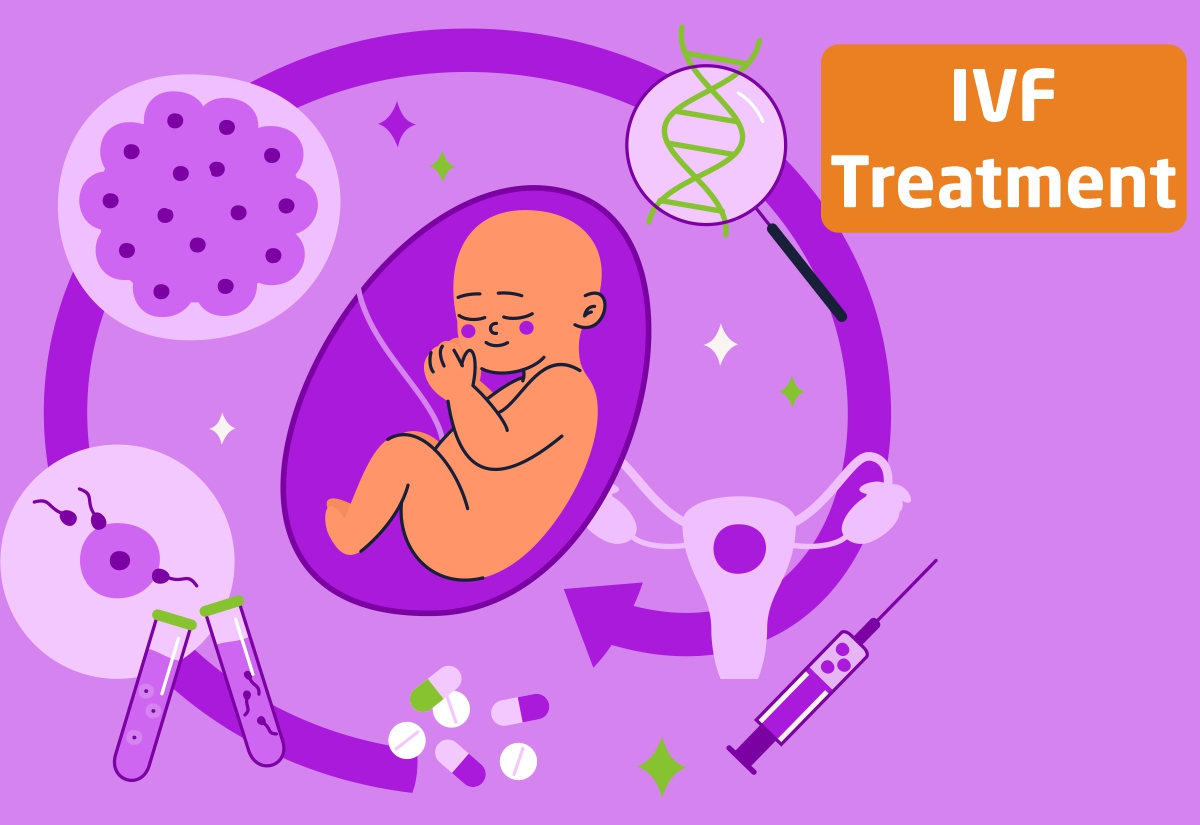
IVF stands for In Vitro Fertilization. In this process, an egg is collected from the ovaries and combined with sperm in a laboratory. If fertilization occurs, the resulting embryo is carefully monitored. An embryo may then be transferred into the uterus, where it may implant and develop into a pregnancy.
The term “in vitro” means that fertilization takes place outside the body, in a laboratory.
Why Is IVF Used?
IVF may be recommended for people experiencing different fertility problems. These can include blocked or damaged fallopian tubes, problems with ovulation, certain sperm-related fertility problems, endometriosis, or unexplained infertility. IVF may also be considered in some cases involving genetic conditions or fertility preservation.
Not everyone who has difficulty conceiving needs IVF. A fertility specialist usually evaluates the individual or couple before recommending the most appropriate treatment.
How Does IVF Work?
A typical IVF cycle involves several stages:
- Ovarian stimulation: Medicines are used to encourage the ovaries to develop several eggs.
- Egg retrieval: Mature eggs are collected from the ovaries using a medical procedure.
- Fertilization: The eggs are combined with sperm in a laboratory. In some situations, a single sperm may be injected directly into an egg, a procedure called ICSI.
- Embryo development: Fertilized eggs develop into embryos under laboratory observation.
- Embryo transfer: An embryo may be placed into the uterus.
- Pregnancy testing: A test is performed after an appropriate period to determine whether implantation has resulted in pregnancy.
Sometimes embryos are frozen for possible future use.
Benefits and Challenges of IVF
IVF has given many people an opportunity to become parents when other methods have not worked. However, it is not guaranteed to result in pregnancy. Success can vary depending on factors such as age, fertility history, and the specific medical circumstances.
IVF can also involve emotional, physical, and financial challenges. The treatment may require multiple appointments, medicines, and procedures, and more than one cycle may sometimes be needed.
The Importance of Medical Guidance
IVF is a complex medical treatment and should be carried out under the supervision of qualified fertility specialists. Patients should discuss the potential benefits, risks, costs, and alternatives with their healthcare team before beginning treatment.
Conclusion
IVF is one of the major developments in modern reproductive medicine. By allowing fertilization to take place in a laboratory, it can provide another path to parenthood for people experiencing infertility. Although IVF can be challenging and does not guarantee success, advances in medical science continue to improve fertility care and give hope to many families.
IVF is more than a medical procedure—it represents the possibilities that science can offer to people hoping to build a family.