Category: HEALTH AND AWARENESS

  • IVF

    IN VITRO FERTILISATION
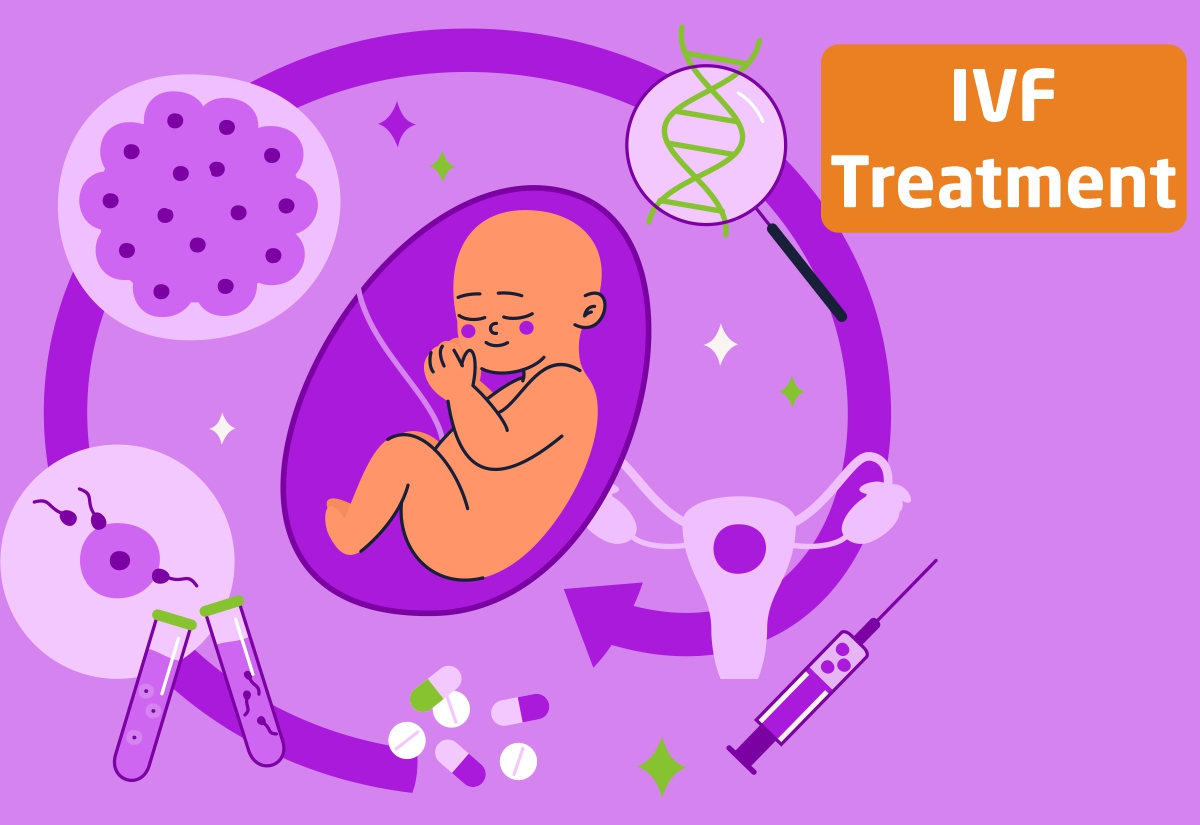
    Path to Parenthood: A Comprehensive Guide to IVF Treatment

    IVF: A Modern Path to Parenthood

    For many people, having a baby is an important dream. However, some couples face difficulties becoming parents naturally. In Vitro Fertilization (IVF) is a medical treatment that can help some people overcome certain fertility problems and have a child.

    What Is IVF?

    IVF stands for In Vitro Fertilization. In this process, an egg is collected from the ovaries and combined with sperm in a laboratory. If fertilization occurs, the resulting embryo is carefully monitored. An embryo may then be transferred into the uterus, where it may implant and develop into a pregnancy.

    The term “in vitro” means that fertilization takes place outside the body, in a laboratory.

    Why Is IVF Used?

    IVF may be recommended for people experiencing different fertility problems. These can include blocked or damaged fallopian tubes, problems with ovulation, certain sperm-related fertility problems, endometriosis, or unexplained infertility. IVF may also be considered in some cases involving genetic conditions or fertility preservation.

    Not everyone who has difficulty conceiving needs IVF. A fertility specialist usually evaluates the individual or couple before recommending the most appropriate treatment.

    How Does IVF Work?

    A typical IVF cycle involves several stages:

    1. Ovarian stimulation: Medicines are used to encourage the ovaries to develop several eggs.
    2. Egg retrieval: Mature eggs are collected from the ovaries using a medical procedure.
    3. Fertilization: The eggs are combined with sperm in a laboratory. In some situations, a single sperm may be injected directly into an egg, a procedure called ICSI.
    4. Embryo development: Fertilized eggs develop into embryos under laboratory observation.
    5. Embryo transfer: An embryo may be placed into the uterus.
    6. Pregnancy testing: A test is performed after an appropriate period to determine whether implantation has resulted in pregnancy.

    Sometimes embryos are frozen for possible future use.

    Benefits and Challenges of IVF

    IVF has given many people an opportunity to become parents when other methods have not worked. However, it is not guaranteed to result in pregnancy. Success can vary depending on factors such as age, fertility history, and the specific medical circumstances.

    IVF can also involve emotional, physical, and financial challenges. The treatment may require multiple appointments, medicines, and procedures, and more than one cycle may sometimes be needed.

    The Importance of Medical Guidance

    IVF is a complex medical treatment and should be carried out under the supervision of qualified fertility specialists. Patients should discuss the potential benefits, risks, costs, and alternatives with their healthcare team before beginning treatment.

    Conclusion

    IVF is one of the major developments in modern reproductive medicine. By allowing fertilization to take place in a laboratory, it can provide another path to parenthood for people experiencing infertility. Although IVF can be challenging and does not guarantee success, advances in medical science continue to improve fertility care and give hope to many families.

    IVF is more than a medical procedure—it represents the possibilities that science can offer to people hoping to build a family.
     

  • PULMONARY TUBERCULOSIS

    PULMONARY TUBERCULOSIS

    Pulmonary Tuberculosis - UF Health

    Tuberculosis: Understanding the Disease and How We Can Prevent It

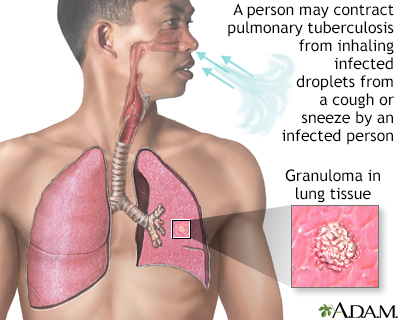
    Tuberculosis, commonly known as TB, is a serious infectious disease that mainly affects the lungs. It is caused by a bacterium called Mycobacterium tuberculosis. Although tuberculosis is preventable and treatable, it continues to affect millions of people around the world. Awareness, early diagnosis, and proper treatment are essential to controlling its spread.

    What Is Tuberculosis?

    Tuberculosis is an infectious disease that usually attacks the lungs, known as pulmonary tuberculosis. However, TB can also affect other parts of the body, including the kidneys, bones, brain, and lymph nodes.

    TB spreads through the air when a person with infectious TB of the lungs or throat coughs, sneezes, speaks, or sings. People who spend a lot of time close to someone with untreated infectious TB have a greater chance of becoming infected.

    Common Symptoms of TB

    The symptoms of tuberculosis can develop gradually. Common signs include:

    • A cough lasting three weeks or longer
    • Chest pain
    • Coughing up blood or sputum
    • Fever
    • Night sweats
    • Unexplained weight loss
    • Tiredness and weakness
    • Loss of appetite

    Anyone experiencing persistent symptoms should seek medical attention rather than ignoring them.

    How Is TB Diagnosed?

    Doctors may use several methods to diagnose tuberculosis. These can include a medical examination, chest X-ray, sputum testing, and laboratory tests. Special tests can also determine whether TB bacteria are resistant to particular medicines.

    Early diagnosis is important because it allows treatment to begin sooner and helps reduce the risk of spreading the infection to others.

    Treatment of Tuberculosis

    Tuberculosis is treatable and curable. Treatment usually involves taking a combination of antibiotics for several months. The exact medicines and duration depend on the type of TB and whether the bacteria are resistant to medicines.

    One of the most important parts of treatment is taking the prescribed medicines exactly as directed. Stopping treatment too early can allow the bacteria to survive and may contribute to drug-resistant TB, which is much more difficult to treat.

    Preventing Tuberculosis

    Preventing TB requires both individual and community efforts. Some important measures include:

    • Getting medical advice when symptoms persist.
    • Completing the full course of TB treatment.
    • Following infection-control advice when diagnosed with infectious TB.
    • Maintaining good ventilation in indoor spaces.
    • Supporting early testing and treatment of people who may have TB.
    • Using preventive treatment when recommended by a healthcare professional.
    • Vaccination with BCG, where it is part of the local immunization programme, particularly because it helps protect children against severe forms of TB.

    Breaking the Stigma

    TB is not something people should be ashamed of. Stigma can discourage people from seeking testing and treatment, allowing the disease to spread. Communities can help by providing accurate information, showing compassion, and supporting people during their treatment.

    Conclusion

    Tuberculosis remains an important global health challenge, but it does not have to be. With early diagnosis, appropriate treatment, prevention, and public awareness, TB can be controlled and cured. Learning about tuberculosis is an important step toward protecting ourselves, our families, and our communities.

    Remember: awareness saves lives, and completing TB treatment helps stop the spread of the disease.